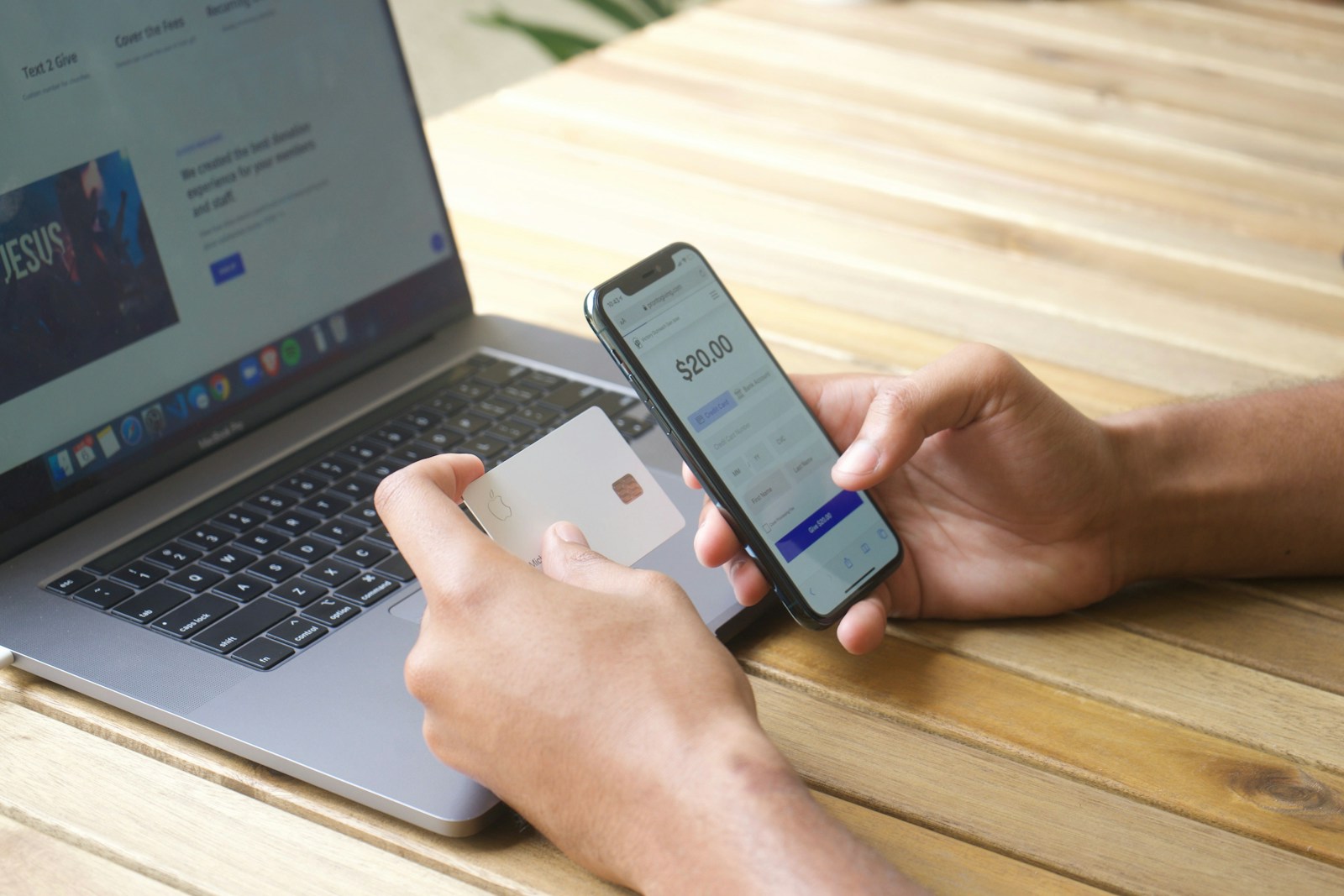
Credit cards have made everyday spending faster and more convenient — but that same convenience has made them a prime target for scammers. As digital payments grow, so do the tactics fraudsters use to steal card details and drain accounts. Understanding how these scams operate is the first step toward protecting your money and your identity.
Common Types of Credit Card Scams
1. Phishing Scams
Phishing remains one of the most widespread tactics. Scammers send emails, texts, or calls pretending to be your bank, a delivery service, or a well-known retailer. These messages often create urgency — claiming your account has been suspended or a suspicious charge needs verification — and direct you to a fake website designed to capture your card number, CVV, and expiry date.
2. Card Skimming
Skimming devices are secretly installed on ATMs, gas station pumps, or point-of-sale terminals. These devices capture your card’s magnetic stripe data the moment you swipe. In more advanced cases, tiny cameras or fake keypads are added to also capture your PIN.
3. Card Cloning
Once a scammer has your card data — often through skimming or a data breach — they can encode it onto a blank card, effectively creating a working duplicate that can be used for purchases or withdrawals.
4. Fake Online Stores
Fraudulent e-commerce websites lure shoppers with heavily discounted products. Once you enter your card details to “purchase,” the scammer either never ships anything or uses your card information for further fraud.
5. Vishing (Voice Phishing)
Scammers call, posing as bank fraud departments, and claim they’ve detected suspicious activity. They pressure victims into revealing their card number, OTP (one-time password), or CVV under the guise of “verifying” the account.
6. Charge Card Testing
Fraudsters who’ve obtained partial card information sometimes run small test transactions on random websites to check if a card is active before attempting larger purchases.
7. Public Wi-Fi Interception
Using unsecured public Wi-Fi to shop or bank online can expose your data to attackers intercepting unencrypted traffic between your device and the website.
Warning Signs to Watch For
- Unexpected texts or emails asking you to “verify” your card details
- Callers pressuring you to act immediately or share sensitive information
- Slightly misspelled website URLs or logos that look “almost right”
- Unusual small transactions on your statement you don’t recognize
- Card readers or ATM slots that look loose, bulky, or tampered with
How to Prevent Credit Card Scams
Protect Your Information

- Never share your card number, CVV, PIN, or OTP over phone calls, texts, or email — legitimate banks will never ask for this information this way.
- Avoid saving full card details on websites you don’t fully trust.
- Shred old statements and expired cards before disposing of them.
Practice Safe Online Habits
- Only shop on websites with “https://” and a padlock icon in the browser bar.
- Avoid clicking links in unsolicited emails or texts — instead, go directly to the company’s official website or app.
- Use virtual card numbers for online purchases when your bank offers them, as they mask your real card details.
- Avoid entering payment information while connected to public Wi-Fi; use a VPN or mobile data instead.
Strengthen Account Security
- Enable transaction alerts so you’re notified instantly of any charge.
- Turn on two-factor authentication (2FA) for online banking and shopping accounts.
- Regularly review your statements for unfamiliar charges, even small ones.
- Set spending limits or use separate cards for online purchases versus everyday use.
Be Cautious in Physical Locations
- Inspect ATMs and card readers for loose parts, extra attachments, or anything that looks tampered with.
- Cover the keypad with your hand when entering your PIN.
- Prefer chip or contactless payments over swiping, as they are harder to skim.
Respond Quickly if Something Feels Off
- If you suspect fraud, contact your bank immediately to freeze or cancel the card.
- Report phishing emails or texts to your bank’s fraud department.
- Check your credit report periodically for accounts or inquiries you don’t recognize.
Final Thoughts
Credit card scams continue to evolve alongside technology, but most attacks rely on the same core tactic: tricking you into handing over information voluntarily. Staying skeptical of unsolicited requests, keeping a close eye on your statements, and using built-in security tools like alerts and two-factor authentication can go a long way toward keeping your finances safe. When in doubt, always verify directly with your bank through official channels rather than responding to the message in front of you.